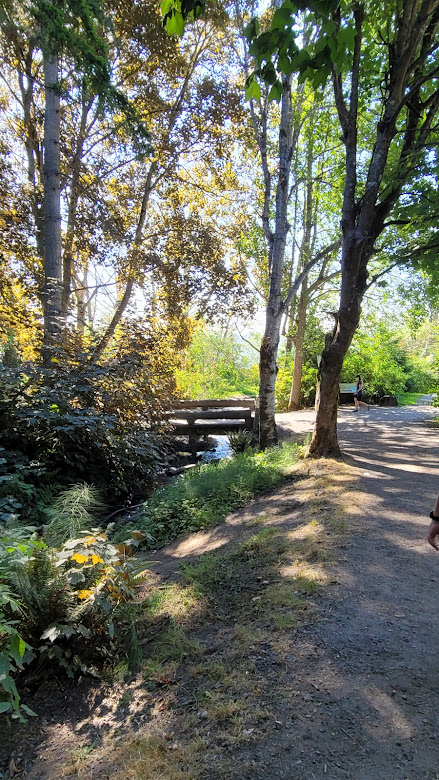
For many years the scientific and medical fields have acknowledged that getting out in nature has helped relieve symptoms of mental health struggles (Ecotherapy.)
I have always felt more alive, less depressed, moody, and filled up with bountiful energy after visiting forests, the ocean, going on hikes, etc.
There are boundless websites, reports, research projects and studies done on this subject. My site isn’t trying to be the next best place for this information. It is merely my musings and nature journal of my personal experiences connecting positive mental health with my environment.
Check out these other well researched articles below for more scientific evidence on this topic.
Spending time in nature has been found to help with mental health problems including anxiety and depression. For example, research into ecotherapy (a type of formal treatment which involves doing activities outside in nature) has shown it can help with mild to moderate depression. This might be due to combining regular physical activity and social contact with being outside in nature.
Being outside in natural light can also be helpful if you experience seasonal affective disorder (SAD), a type of depression that affects people during particular seasons or times of year. And people tell us that getting into nature has helped them with many other types of mental health problems.
Being in nature, or even viewing scenes of nature, reduces anger, fear, and stress and increases pleasant feelings. Exposure to nature not only makes you feel better emotionally, it contributes to your physical wellbeing, reducing blood pressure, heart rate, muscle tension, and the production of stress hormones. It may even reduce mortality, according to scientists such as public health researchers Stamatakis and Mitchell.
Research done in hospitals, offices, and schools has found that even a simple plant in a room can have a significant impact on stress and anxiety.
The therapeutic effects of a forest can be considered to be the results of a health treatment in a forest environment. It is possible that a forest may provide opportunities which foster the establishment of more efficient and active behavior, thereby enhancing mental and physical health and psychological functioning. Most of the studies carried out to date [3–8] appraised the values of forest-related clinical programs in improving the effective performance of delinquents, in- and out-patients of psychiatric institutions, including emotionally disturbed children, alcohol abusers, or people with other clinical mental health problems.
National Alliance of Mental Illness
A growing body of research shows that time in nature — or enjoying pockets of green in urban settings — is good for our mental health.
 Deep Breath Adventures